
About Power To Ukraine
The Power to Ukraine Project is designed to address the critical energy needs of Ukrainian communities affected by disruptions and attacks on local energy grid services. By deploying community-run Community Energy Services (CES), P2U will offer sustainable and localised control to energy recovery.
Community-Based Franchise Model
Each Community Energy Service will operate as a franchise within a single municipality area, ensuring that the solution is tailored to local needs and managed by those who best understand the unique challenges of their community.
This model promotes community engagement and ownership, which are crucial for the resilience and long-term sustainability of the project.
Core Technology and Renewable Energy
Solar Arrays
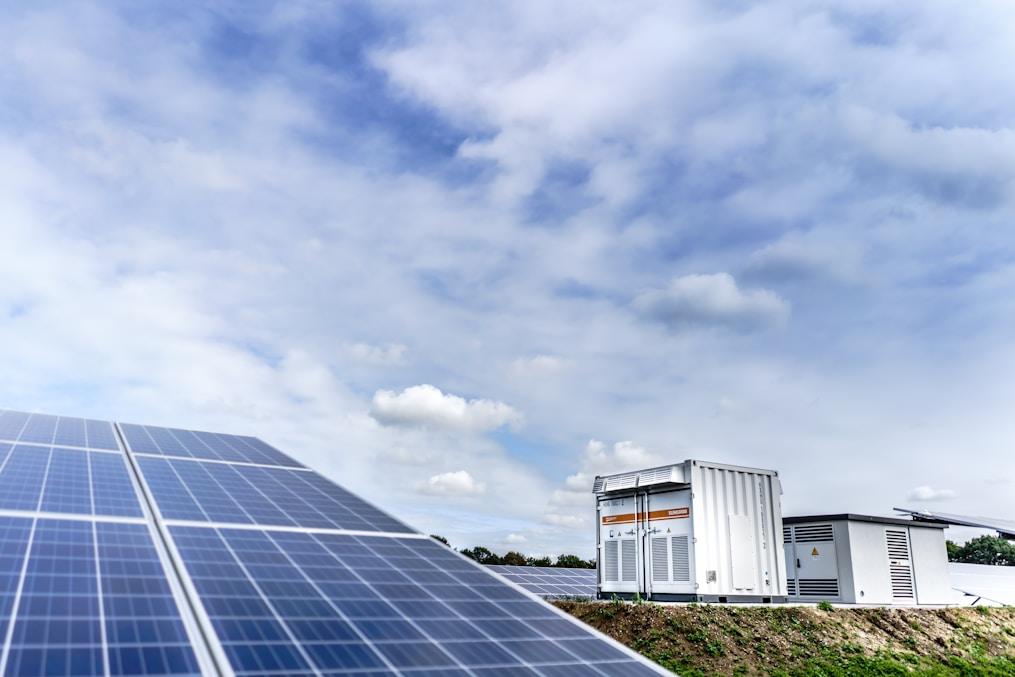
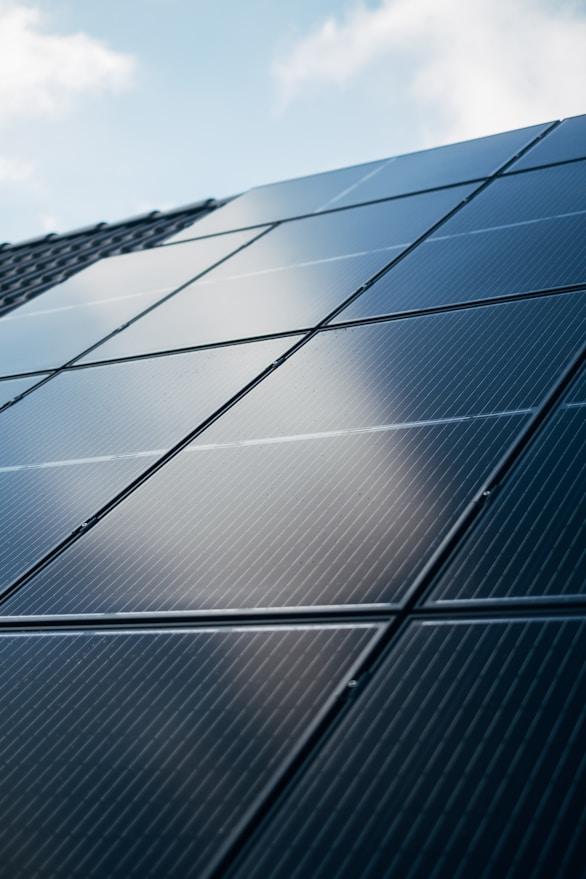
The core technology delivered by Community Energy Service revolves around co-shared ownership of both mobile and fixed (rooftop) solar arrays that harness local renewable energy, which is then stored in TommyCan portable battery packs and/or bi-directional electric vehicles.
In Ukraine, where war damaged infrastructure frequently disrupts power services, solar energy offers a clean and reliable substitute that reduces dependence on vulnerable, highly centralised energy networks.
TommyCan Battery Packs
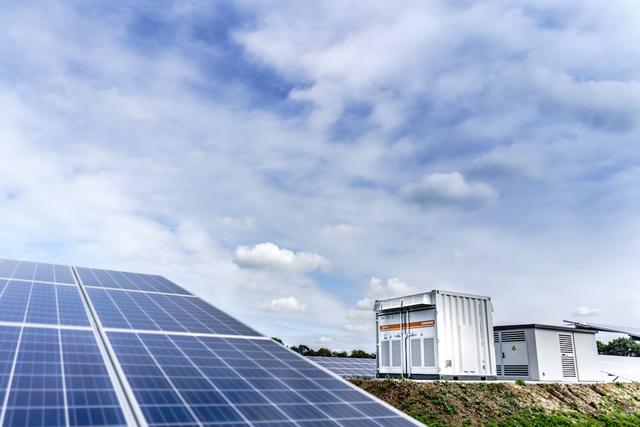
The portable nature of the TommyCan battery packs also ensures flexibility and adaptability. These packs are military grade and will be charged at local Solar Charging Stations and then distributed to registered households lacking grid connectivity.
The HEDS (Household Energy Delivery Service) is designed to be both robust and responsive, with energy deliveries occurring twice daily to meet the essential weekday needs of Registered Household Users (RHUs).
Digital Voucher System for Efficient Distribution
To streamline access and distribution, P2U incorporates a digital voucher system:
Householders register to receive energy tokens that are credited to their mobile devices.

These tokens are used to unlock the energy stored in the battery packs via a Smart Docking Connector, which ensures that the energy is delivered efficiently and securely.
This system not only facilitates easy distribution but also supports monitoring and managing energy usage, promoting efficiency.

Economic Benefits and Job Creation
The CES model will also foster economic benefits by creating local jobs in the installation, maintenance, and operation of solar arrays and ATEV (All Terrain Electric Vehicle) logistic service.
This local economic stimulation is vital for Ukrainian communities to maintain resilience during energy service disruptions during the ongoing conflict.

By addressing the immediate needs for reliable power and promoting long-term economic and environmental benefits, the project sets a foundation for robust recovery and sustainable development in local Ukrainian communities.